

Best European city breaks for 2026: top picks and costs
European city breaks are one of the smartest ways to travel in 2026. Short flights from UK airports, an extraordinary density of culture, food and history, and bundled flight-and-hotel packages mean that two or three brilliant nights away costs considerably less than most people assume. The challenge is not finding a European city worth visiting; it is choosing the right one for your interests, your timing and your budget.
This article cuts straight to it. You will find the top cities ranked by short-break appeal, realistic cost breakdowns by destination tier, the best months to travel, and practical tips that genuinely reduce what you spend on flights, accommodation and attractions. If you want to sidestep the hassle of piecing together flights and hotels separately, Broadway Travel offers bundled European city break packages across all the destinations listed here, with ATOL protection included as standard.
What actually makes a great European city break?
Not every city rewards a short stay equally. The destinations that work best for two to four nights share a few consistent traits: a compact, walkable centre, a high density of worthwhile sights within a small area, and a strong food and bar scene that rewards spontaneous evenings out. A city you can navigate largely on foot, or with a single metro line, delivers far more satisfaction in three nights than a sprawling destination that demands constant transfers.
European city breaks also suit different travel personalities. Culture-heavy travellers gravitate towards cities with world-class museums, galleries and historic architecture. Food and atmosphere seekers want markets, independent restaurants and street life. Value-first travellers prioritise destinations where the pound stretches noticeably further. Every city on this list scores well across at least two of those categories, so there is no wrong choice; the task is matching the right city to your specific priorities.
European city breaks for culture and history lovers
Florence: art and architecture in three nights
Florence is one of the most rewarding compact city breaks in Europe for anyone with even a passing interest in art and architecture. The Uffizi, the Duomo, the Ponte Vecchio and the Oltrarno neighbourhood all sit within comfortable walking distance of each other, which means you spend your time looking at extraordinary things rather than commuting between them. Three nights is the sweet spot: enough to cover the headline sights and still spend a slow morning wandering without a plan.
Shoulder season is the right time to visit. April to May and September to October offer the best balance of manageable crowds, reliable weather and lower accommodation costs, May in particular brings mild temperatures rarely above 25°C, ideal for covering the city on foot. Summer pushes both the heat and the tourist numbers to uncomfortable levels, and queues at major sites become genuinely punishing without pre-booked timed entry.
Prague: Gothic streets and genuine value for money
Prague consistently appears near the top of cheap European city break lists, and the reputation is well earned. The Old Town, Charles Bridge and Prague Castle create a visually dramatic setting without the steep entry fees associated with bigger Western European capitals. Food and drink costs remain noticeably lower than cities like Paris or Amsterdam, which means your daily budget goes meaningfully further here.
The city also rewards walkers generously. Charles Bridge, Old Town Square and the Astronomical Clock are free to experience, and the castle grounds and Petřín Hill viewpoints cost nothing at all. For UK travellers focused on value, Prague remains one of the strongest short break options available from any major British airport.
Rome: headline sights without the full week
Many travellers assume Rome needs a full week. It does not. A focused two to three night itinerary covering the Colosseum, the Vatican area and the Trastevere neighbourhood is entirely achievable and deeply satisfying. The key is being deliberate: cluster your sights by neighbourhood so you are not criss-crossing the city all day. Trastevere alone is worth an evening, with its narrow streets, trattorias and relaxed local atmosphere.
Book timed-entry tickets to the Colosseum and Vatican Museums well in advance. Without a booking, queue times at both sites can add several hours to your visit, time you genuinely cannot recover on a short break. Pre-booking takes ten minutes online and transforms your first morning completely.
Sunshine, food and atmosphere: the warm-weather city picks
Lisbon: the city that rewards a relaxed pace
Lisbon is arguably the strongest all-round European city break right now. Compact neighbourhoods like Alfama and Belém, exceptional seafood, bold expressive street art and a genuinely enjoyable miradouro bar culture all combine in a city that suits two to four nights perfectly. It never feels like you are rushing, and it never feels like you are running out of things to do.
Spring and autumn are the ideal windows. March to May and September to October deliver warm, comfortable temperatures without the crushing summer crowds and heat. Accommodation prices also sit noticeably lower outside peak season, making a Lisbon trip during these months particularly good value from the UK.
Seville: flamenco, tapas and a concentrated historic centre
Seville's compact layout makes it one of the easiest cities in Europe to cover on a short break. The Cathedral, the Alcázar and the Barrio Santa Cruz are all walkable within a single half-day, which frees the rest of your time for tapas crawls and evenings at flamenco tablaos. The city feels genuinely local outside peak tourist season rather than themed around visitors.
Late September through November and March to April are the prime travel windows. Temperatures are pleasant, the streets are less crowded, and you get a more authentic read of the city. Midsummer in Seville is extreme; temperatures regularly exceed 40°C, and most locals sensibly avoid the midday heat entirely.
Barcelona: where beach meets city break
Barcelona offers something most European city break destinations cannot: a beach within easy walking distance of world-class architecture and a superb food scene. Gaudí's Sagrada Família and Park Güell are genuinely unmissable, and the Gothic Quarter rewards hours of wandering. The city sits at a slightly higher price point than Lisbon or Seville, but flight connections from UK airports are excellent and frequent throughout the year.
May and October are the standout months for Barcelona, warm enough for the beach, but before or after the main summer surge when terraces are heaving and hotel rates peak. If you have any flexibility, shifting your dates even two or three weeks can make a noticeable difference to both atmosphere and cost.
Underrated European city breaks worth adding to your shortlist
Porto and Budapest: big charm, smaller price tag
Porto delivers wine, riverside character, hand-painted azulejo tiles and some of the most photogenic streets in Europe, all within a city compact enough to cover thoroughly in two nights. It shares Lisbon's relaxed pace without quite the same tourist numbers, which makes it feel like a genuine discovery even if you are arriving on a busy weekend. The Douro Valley is also an easy day trip for those who want to extend their stay.
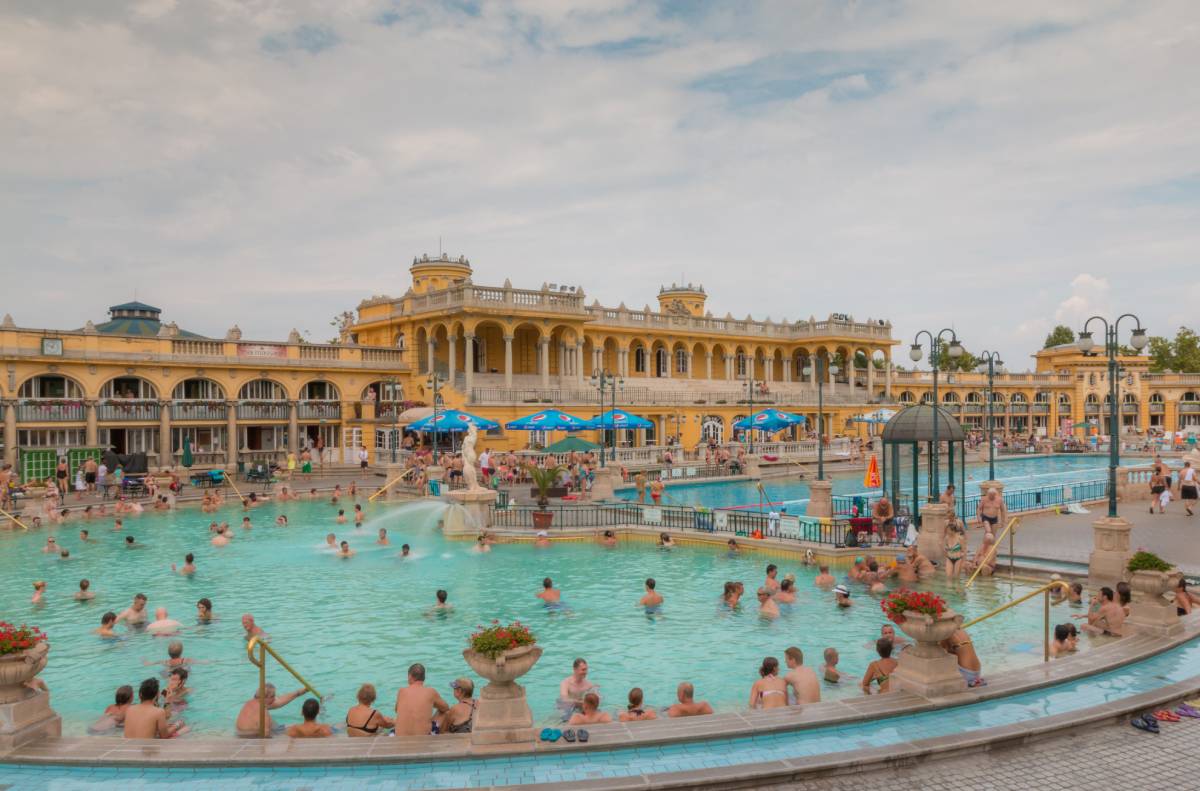
Budapest offers something quite different: thermal baths, a dramatic Danube skyline, the grandeur of the Hungarian Parliament building and a nightlife scene that still costs a fraction of Paris or Amsterdam. Both Porto and Budapest suit travellers who want a genuinely memorable short break without paying premium prices. They are two of the strongest value picks for UK travellers planning European weekend breaks in 2026.
Copenhagen and Valencia: something a bit different
Copenhagen is a premium-feeling pick that suits travellers happy to spend a little more for exceptional food, outstanding design culture and an effortlessly liveable city. The food scene alone justifies a visit; even well below the Michelin-starred level, Copenhagen offers some of the best everyday eating in Europe. It is a two to three night city that leaves you wanting to return.
Valencia, by contrast, delivers sun, the extraordinary City of Arts and Sciences, and a paella-obsessed food culture at a noticeably lower cost than Barcelona. Direct UK flight connections are strong, and the city centre is manageable on foot or with a straightforward tram and metro system. For travellers who want a warmer, more relaxed southern Spanish experience without Barcelona's price tag, Valencia is an excellent call.
European city breaks: costs and best months at a glance
Budget expectations vary enormously depending on the destination. A practical way to frame costs is in three tiers, based on typical all-in spending for a two-night break including return flights from the UK, a mid-range hotel, food and two main attractions:
- Budget-friendly (Prague, Budapest, Porto, Valencia): roughly £150 per person
- Mid-range (Lisbon, Seville, Rome, Florence, Barcelona): roughly £200 per person
- Premium (Paris, Amsterdam, Copenhagen): roughly £300 per person
These figures shift depending on when you book and whether you bundle your flights and accommodation. Shoulder season travel in April to May or September to October delivers the best combination of mild temperatures, manageable crowds and lower prices across most European destinations. July and August push accommodation prices sharply upward compared with the same hotel in October, summer peaks are a well-established pattern across European city destinations. January and February offer the cheapest rates across the board, but colder and less reliable weather is the trade-off.
Being flexible by even a week either side of your preferred dates can make a meaningful difference. Shifting a Friday departure to a Tuesday, or moving your trip from the first week of July to the last week of September, can save enough on flights and hotels to fund an extra night away.
Practical ways to cut the cost of your European city break
Why bundling flights and hotels makes financial sense
Booking a flight-and-hotel package through a specialist platform typically costs less than purchasing both components separately. Package rates leverage wholesale accommodation pricing that individual travellers cannot access directly, and the savings can be significant. Bundled packages routinely undercut the combined cost of booking flights and hotels independently, often by a meaningful margin, making them a sensible starting point for any European weekend break or quick escape.
Broadway Travel specialises in exactly this approach: bundled European city break deals that cover return flights and hotel accommodation, with ATOL protection included for complete peace of mind. For travellers who want to skip the comparison faff and book with genuine confidence, it is a straightforward starting point for any city on this list.
Timing, flexibility and a few habits that save real money
Mid-week departures almost always cost less than Friday or Saturday flights. If your schedule allows a Tuesday or Wednesday departure, the saving on the outbound leg can be substantial, enough, on many routes, to contribute meaningfully towards a night's accommodation. Choosing an airport-adjacent hotel over a city-centre option also makes sense when the metro or train connection into the centre is fast and cheap; that short commute can translate to a noticeably lower nightly rate, and on a short break, the maths often works in your favour.
Pre-booking entry to major attractions is one of the most underrated money-saving habits for short-break travellers. Last-minute tickets bought on-site are often more expensive, and the time lost queuing on a two to three night trip is time you genuinely cannot recover. Book the Uffizi, the Colosseum, or the Sagrada Família online before you fly, and you arrive with a structured first day rather than an anxious one.
Ready to book your 2026 European city break?
European city breaks in 2026 offer exceptional variety at every budget level. Whether you want to wander Florence's Renaissance streets, eat your way through Lisbon's tascas, soak in Budapest's thermal baths, or simply sit on a Barcelona terrace with a glass of cava, there is a city on this list that fits both your interests and your budget. With so many destinations reachable from UK airports in two to three hours, there has rarely been a better time to plan a quick European escape.
Booking your flights and hotel as a bundled package through Broadway Travel is the simplest way to keep costs down and remove the planning complexity. You get competitive pricing and ATOL protection through a single booking, not four open tabs and three separate confirmation emails.
One final point worth remembering: the best deals in shoulder season go fast, particularly for September and October departures. The earlier you lock in your dates and your package, the more you save, and the more you have to look forward to.