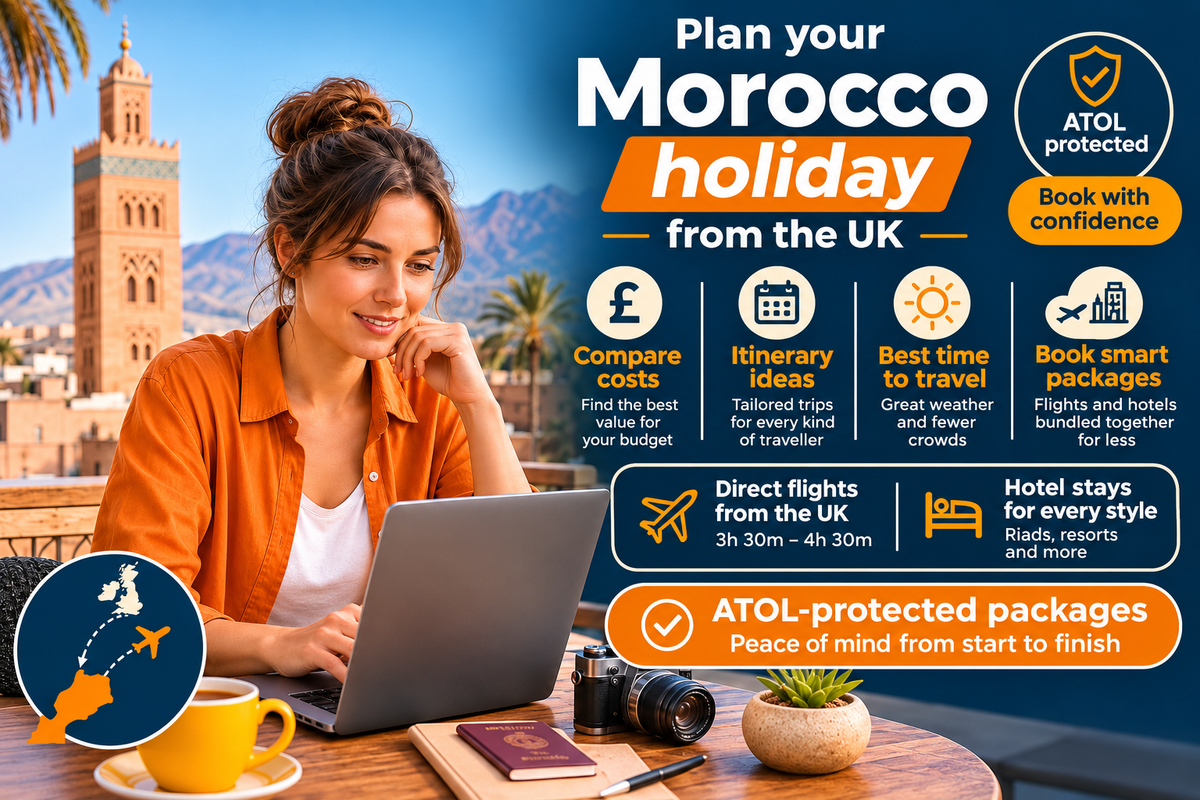
Few destinations offer the sheer range of Morocco holidays: ancient medinas, Sahara dune camps, Atlantic surf beaches, Roman ruins and High Atlas villages, all within a single country and roughly three to four hours by direct flight from London, Manchester, Birmingham and a dozen other UK airports. That puts Morocco firmly in the same travel bracket as a European city break, yet the experience feels genuinely different. This article covers the key decisions you'll face before booking a Morocco holiday: which type of trip suits you, what it realistically costs in 2026, when to go, and how to book safely. If you're ready to start comparing options, Broadway Travel lists Morocco holiday packages that bundle flights and hotels into a single ATOL-protected booking, which simplifies the planning process considerably.
What makes Morocco such a compelling holiday destination
Morocco earns its reputation not by excelling at one thing but by offering a genuinely diverse range of experiences within manageable distances. You can spend a morning in a medieval souk, an afternoon hiking in the Atlas Mountains and an evening watching the sun sink behind Sahara dunes, all within the same week. That breadth is rare among destinations reachable in under four hours from the UK, and it explains why Morocco draws repeat visitors as well as first-timers in equal measure.
The three cities worth building your trip around
Marrakech is the natural starting point for most UK visitors: it is one of the most commonly served Moroccan cities by direct flights from the UK, it sits closest to the Sahara road, and its Jemaa el-Fnaa square delivers an immediate, sensory hit. Fes, by contrast, is quieter and more scholarly; its medieval medina is widely regarded as one of the best-preserved Arab city centres in the world and draws travellers who want history over spectacle. Casablanca is the outlier: modern, coastal, and home to the Hassan II Mosque, one of the largest mosques in the world by both area and capacity. It suits travellers who want to combine a city experience with easy Atlantic access and a faster-paced urban atmosphere.
Morocco's coastline: beaches from Agadir to Essaouira
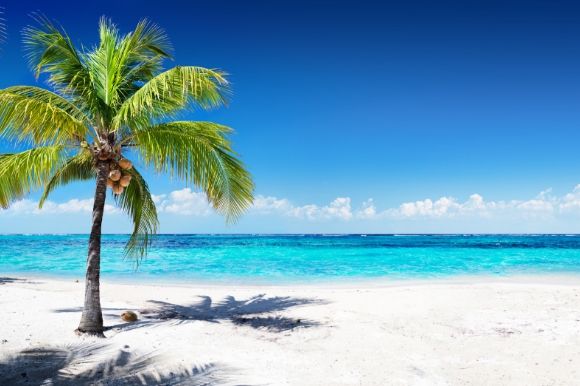
Agadir is the strongest choice for a conventional beach holiday, with a wide sandy bay, good resort infrastructure, lifeguarded sections and family hotels along a well-developed promenade. Essaouira offers something different: a UNESCO-listed fortified medina, a seafood market, and a consistent Atlantic wind that makes it one of the best kitesurfing spots in North Africa. Taghazout, just north of Agadir, caters to surfers and backpackers with a notably more relaxed, low-key atmosphere than its neighbour. One thing worth noting across all three: the Atlantic coast runs cooler than its latitude suggests, which makes it genuinely comfortable in July and August when the interior bakes.
Culture, food and landscape: the broader draw
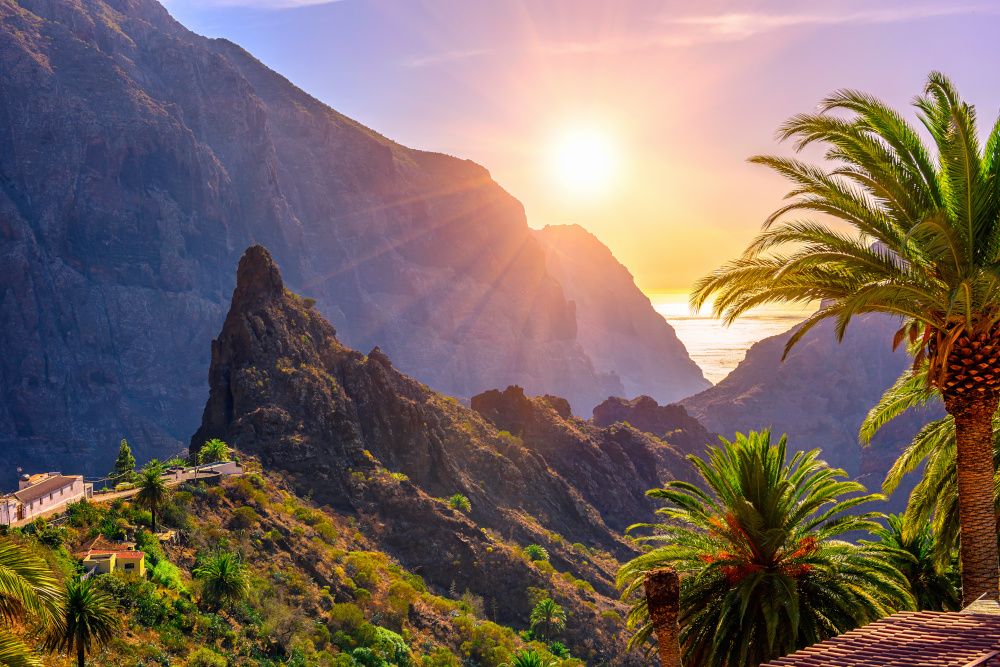
Beyond the headline sights, Morocco offers a texture of everyday experience that stays with most visitors long after they return home. The rhythm of a Moroccan day is shaped by the call to prayer, the theatre of a souk negotiation, glasses of sweet mint tea pressed on you by a carpet seller, and tagines that vary by region and household. Berber villages in the High Atlas and ksour (fortified villages) along the southern valleys add a landscape dimension that no European destination can replicate within a four-hour flight.
Which type of Morocco holidays are right for you
The most important decision you'll make before booking is matching your available time to the right type of itinerary. Morocco rewards travellers who choose deliberately more than those who try to see everything at once. Whether you're drawn to Marrakech city breaks, Sahara desert tours or coastal escapes, there's a format to suit your priorities.
City breaks and short Marrakech getaways
Four to five nights in Marrakech works well as a Morocco short break, covering the medina, Bahia Palace, the Saadian Tombs, a hammam visit and a day trip to the Ourika Valley or the foothills of the Atlas. City-break packages with return flights and hotel accommodation are widely available and often represent the most affordable entry point into Morocco holidays. This format suits first-time visitors, travellers with limited annual leave, and couples looking for a weekend-plus escape that offers more cultural contrast than a European capital.
Sahara and adventure-focused packages
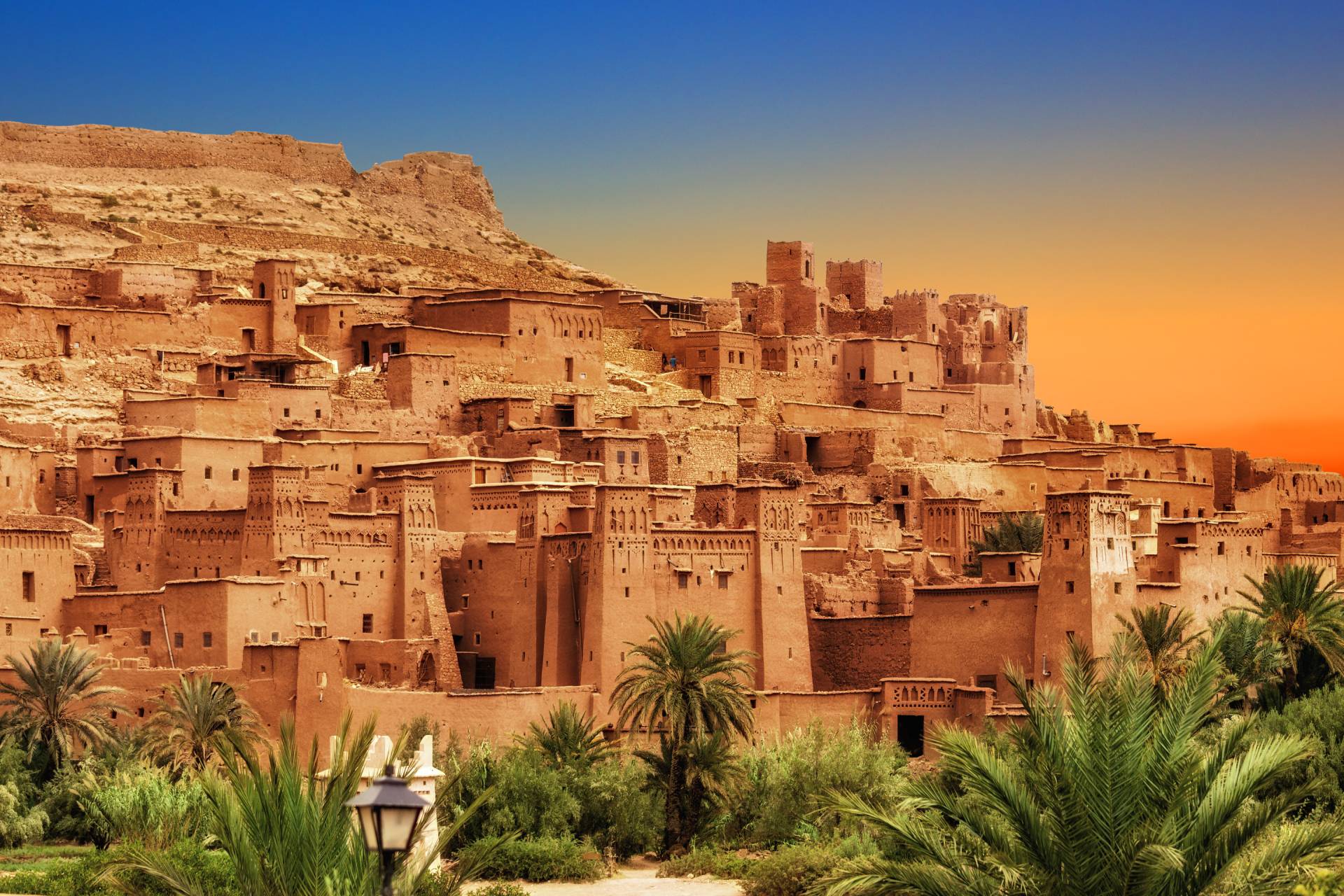
The classic Marrakech-to-Fes circuit via the Sahara is the itinerary most people picture when they imagine a fully immersive Morocco trip. It covers the High Atlas crossing, Aït Benhaddou, the Dades Valley, Todra Gorge, and the Erg Chebbi dunes near Merzouga, with a desert camp sunrise before continuing to Fes. Seven to ten days is the right timeframe; seven days is achievable but involves several long driving days, the Merzouga-to-Fes leg in particular can run to four or five hours. This itinerary suits travellers who want maximum contrast and are comfortable with a structured, moving itinerary rather than a settled base.
Coastal and beach-led escapes
For travellers whose priority is relaxation rather than kilometres covered, an Agadir-based package or an Essaouira-centred itinerary offers a slower pace without the long cross-country transfers that Sahara desert tours demand. Agadir is the standout choice for families with younger children: the beach is wide and sandy, the facilities are reliable, and the resort infrastructure is straightforward. Essaouira suits those who want beach access combined with culture, good seafood and an evening in a windswept, atmospheric medina.
Activities and excursions: what to set aside
On top of your package cost, budget realistically for the activities that make a Morocco trip memorable. A hot-air balloon flight over Marrakech, including hotel transfers, a one-hour flight and a Berber breakfast, runs roughly £120 - £180 per person. A guided medina tour in Marrakech or Fes costs around £20 - £35. A short camel trek is inexpensive at £15 - £25, while a three-day Sahara excursion with camp accommodation runs £95 - £160. Day trips to the Atlas Mountains or Essaouira add £15 - £50 depending on whether you join a group or book privately. A realistic additional activity budget is £200 - £400 per person, depending on how much you want to pack in.
Popular Morocco itineraries and how they work
The classic 7-day route: Marrakech to Fes via the Sahara
This is the most popular Morocco itinerary for good reason: it packs in the greatest variety within a single week. Days one and two are based in Marrakech, covering the medina, palaces and souks. Day three crosses the Tizi n'Tichka Pass in the High Atlas and visits the UNESCO-listed ksar of Aït Benhaddou before continuing to the Dades Valley. Day four passes through Todra Gorge and reaches Merzouga and the Erg Chebbi dunes in time for a sunset camel trek to a desert camp. Day five is spent in the Sahara before the long transfer to Fes on day six via the Middle Atlas. Day seven is a full day in Fes before departure. Most guided Morocco tour packages follow this route closely, and it's worth noting that the Merzouga-to-Fes transfer is the most demanding driving day of the trip.
10 days: adding the coast or Chefchaouen
A ten-day itinerary follows the same desert circuit through days one to seven, then adds either Chefchaouen in the Rif Mountains or Rabat and Essaouira on the Atlantic coast before returning to Casablanca for departure. Chefchaouen appeals to travellers who want the famous blue-painted medina and mountain scenery. The coastal extension suits those who want to combine cities, desert and beach in one trip. Ten days is genuinely the point at which the itinerary breathes rather than rushes; you gain an extra night in Fes or Essaouira that makes a real difference to how settled and enjoyable the trip feels.
The imperial cities circuit for history-focused travellers
The northern circuit, running through Casablanca, Rabat, Meknes, Volubilis, Fes, Chefchaouen and Tangier, suits travellers more interested in Roman ruins, medieval Islamic architecture and religious heritage than Sahara dunes. Driving distances between cities are shorter than on the southern desert route, which makes for a less demanding schedule. Volubilis, Morocco's best-preserved Roman site, is a genuine highlight that many travellers overlook in favour of the Sahara. This circuit works well over seven to eight days and is an excellent alternative for repeat visitors who already know the Marrakech-to-Fes route.
When to go: weather, seasons and value
The clearest advice is to target March to May or September to October. Both windows offer pleasant temperatures across Morocco, manageable crowds and reasonable package prices. Spring brings wildflowers to the Atlas and comfortable desert temperatures; autumn sees the heat ease nationally while keeping long, warm evenings. These are the best all-round windows for sightseeing, trekking and desert travel.
July and August push inland temperatures to 35 - 40°C, making cities like Marrakech and Fes genuinely uncomfortable for extended sightseeing during the middle of the day. These months work for coastal resorts, particularly Agadir and Essaouira, but are not the right choice if your itinerary is inland-heavy. January and February are the cheapest months for flights and packages; cities and southern Morocco are enjoyable in winter, though Atlas nights are cold and you'll need to plan accordingly. December is low season outside Christmas and New Year, when prices spike again regardless of weather.
How to book Morocco holidays safely from the UK
ATOL and ABTA protection: what to check before you pay
Where a UK-based ATOL holder sells a flight-inclusive Morocco holiday package, ATOL protection applies. This means that if the operator becomes insolvent, you won't lose your money or be stranded abroad. You should receive an ATOL Certificate immediately after paying: check that it lists your specific booking and that the operator's name matches the CAA's ATOL holder register, which is freely searchable online. Don't rely on logos displayed on a website; verify the registration directly. ABTA membership provides a separate layer of protection that applies mainly to non-flight packages, such as land-only tours or coach holidays. Flight-only and hotel-only bookings are generally not covered by either scheme, so standalone components booked separately carry more financial risk.
Cultural tips and practical know-how before you travel
Dress modestly in medinas and near religious sites: cover shoulders and knees, and carry a lightweight scarf in your day bag for conservative neighbourhoods. Most Moroccan mosques do not admit non-Muslims, so do not attempt to enter unless you are accompanied by an authorised guide. In the souks, persistent vendor attention is normal and largely harmless; a polite but firm response works better than ignoring people. As a practical tip widely recommended by travel advisers, always agree on a taxi fare before you get in. Carry small dirham notes for tips and market purchases, as change can be scarce. Ramadan shifts annually and affects daytime food and drink availability at cafés and restaurants; check the dates before you travel if this is a concern.
Finding the right package and booking with confidence
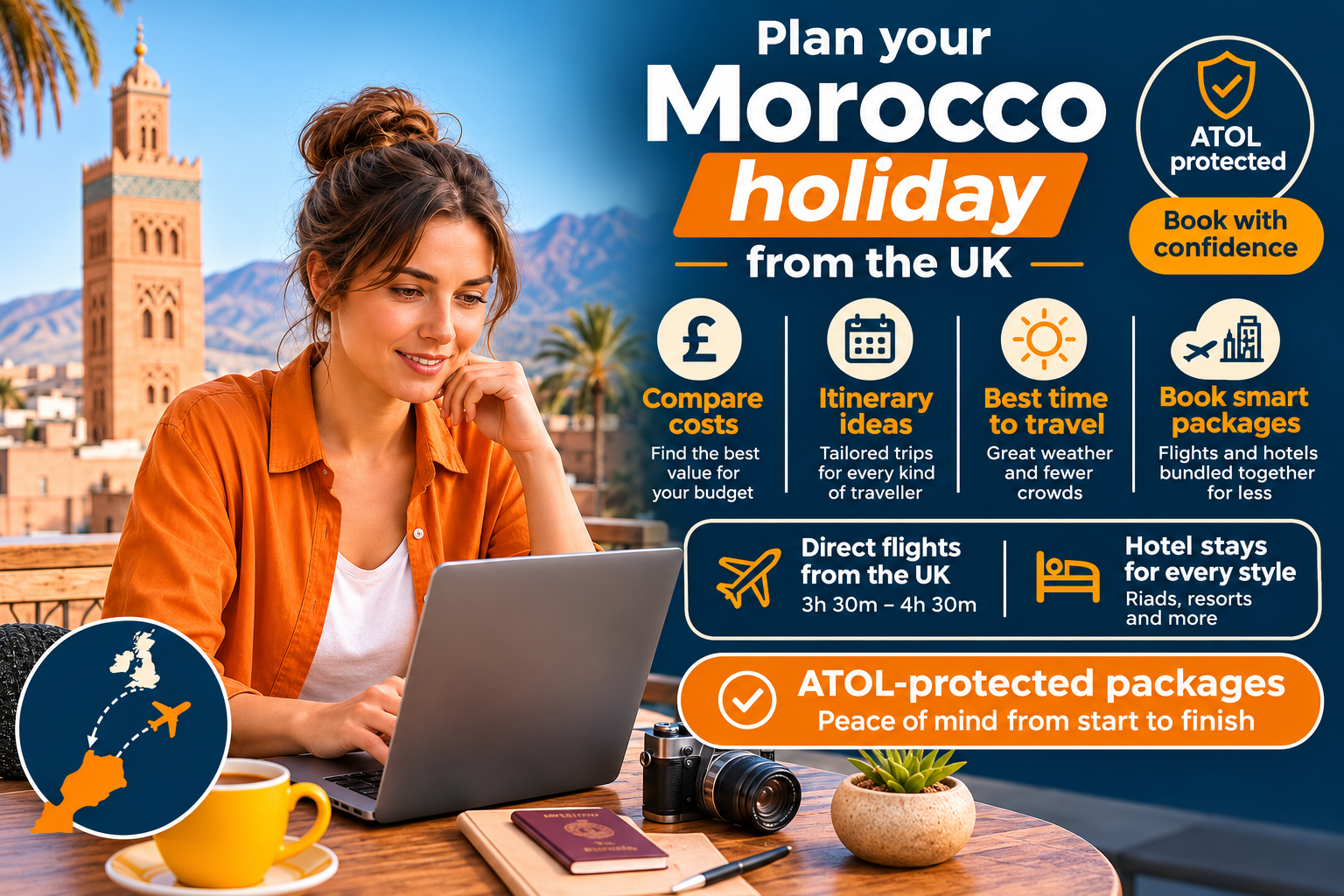
For most UK travellers, a bundled package that combines flights, hotel and airport transfers into a single confirmed price is better value and lower risk than piecing together the same components separately. The booking process is simpler, the financial protection is clearer, and the overall cost is typically competitive with independent booking. Broadway Travel offers ATOL-protected Morocco holidays with clear inclusions and competitive pricing, making it a practical starting point for comparing options across different durations, departure airports and hotel categories. Whichever operator you book with, confirm that your specific booking carries ATOL protection and that you receive the certificate as part of your booking documentation.
Ready to plan your Morocco holiday?
Morocco rewards travellers who match the right itinerary to their time and interests. A four-night Marrakech break works well for those with limited leave; a seven-day Sahara circuit delivers the full contrast of cities, mountains and desert; and a ten-day trip is where the itinerary genuinely relaxes and gives each destination its due. Costs are manageable across all three formats, particularly with a bundled package, and timing your Morocco holiday for spring or autumn gives you the best combination of weather, crowd levels and price.
The logical next step is searching for a package that matches your travel dates, departure airport and budget. Compare ATOL-protected Morocco holiday packages that bundle the key components into one booking, and get in touch with the Broadway Travel team if you'd like help narrowing down the right itinerary before you commit.